🌐 CSM-15/2 English | Model Answers & Scoring Guide
Time: 3 hours | Answer all questions
1. Write an essay in about 1,000 words on any one of the following 100 marks
- (a) Open defecation – a challenge for all
- (b) Food Security
- (c) Good Governance
- (d) Wild life Conservation
(a) Open defecation – a challenge for all
Open defecation—the practice of defecating in the open, rather than in a toilet—is one of the most persistent and shameful public health challenges facing India. Despite decades of economic growth and urbanisation, millions of Indians still lack access to a safe, private, and hygienic toilet. The consequences are severe: water contamination, disease transmission, child malnutrition, and the indignity and insecurity faced by women and girls. Open defecation is not merely an inconvenience; it is a challenge for all of us.
The scale of the problem is staggering. According to the World Health Organization, India had the highest number of people practicing open defecation in the world—over 600 million at its peak. The Swachh Bharat Abhiyan, launched in 2014, aimed to eliminate open defecation by 2019, and it has made remarkable progress. Millions of toilets have been built, and millions of households have been declared open-defecation-free. However, the construction of toilets is only the first step; the challenge is to ensure that they are used consistently and maintained properly.
The causes of open defecation are complex. Poverty is one factor: poor households may lack the resources to build a toilet. But the problem is not merely economic. Cultural attitudes, habits, and beliefs also play a role. In some communities, defecating in the open is considered normal or even preferable to using a toilet. Women may face restrictions on using toilets located outside the home. In some areas, toilets have been built but are not used because they lack water connections or are poorly maintained.
The consequences of open defecation are grave. It contaminates water sources, leading to waterborne diseases such as cholera, typhoid, and diarrhoea. It contributes to child malnutrition and stunting. It creates a public nuisance and an environmental hazard. And it exposes women and girls to harassment, assault, and a loss of dignity.
The remedies require a comprehensive approach. First, the construction of toilets must be accompanied by behaviour change campaigns that persuade people to use them. Second, toilets must be maintained and supplied with water. Third, the needs of women and girls—privacy, safety, and access—must be central to any programme. Fourth, sanitation must be integrated with broader public health and environmental initiatives.
In conclusion, open defecation is a challenge for all of us. It is a challenge to our public health, our environmental quality, and our human dignity. The Swachh Bharat Abhiyan has shown that progress is possible, but much remains to be done. The task is not merely to build toilets but to build a culture of sanitation. It is a challenge we must meet together.
(b) Food Security
Food security is the condition in which all people, at all times, have physical, social, and economic access to sufficient, safe, and nutritious food that meets their dietary needs and food preferences for an active and healthy life. It is a fundamental human right, recognised in the Universal Declaration of Human Rights and in the Constitution of India. Yet, despite decades of economic growth and agricultural development, food insecurity remains a grave challenge in India and around the world.
The scale of the problem is immense. According to the Food and Agriculture Organization, nearly 800 million people worldwide suffer from chronic hunger, and over two billion suffer from some form of malnutrition. In India, despite being a food-surplus country, millions of people go to bed hungry every night. Malnutrition—especially among children—remains alarmingly high. The COVID-19 pandemic has exacerbated the crisis, pushing millions more into hunger and poverty.
The causes of food insecurity are complex. Poverty is the primary cause: people are hungry because they cannot afford to buy food. Conflict and displacement destroy livelihoods and disrupt food supplies. Climate change—with its droughts, floods, and extreme weather events—destroys crops and reduces yields. Poor infrastructure—roads, storage, and markets—leads to food waste and makes it difficult to distribute food efficiently. Gender inequality—women, who are often responsible for food production and preparation, face discrimination in access to land, credit, and education.
The consequences of food insecurity are severe. Hunger and malnutrition stunt children’s physical and cognitive development, perpetuating cycles of poverty. They weaken immune systems, making people more vulnerable to disease. They reduce productivity, slowing economic growth. And they undermine social and political stability.
The remedies require a multi-pronged approach. First, governments must invest in agriculture—especially in small farmers—through credit, irrigation, extension services, and market access. Second, social protection programmes—such as India’s Public Distribution System and the Mid-Day Meal Scheme—must be strengthened and expanded. Third, food waste must be reduced through better storage, transport, and processing. Fourth, the right to food must be legally guaranteed and enforced. Fifth, international cooperation is essential, as food insecurity is a global problem.
In conclusion, food security is a fundamental human right and a foundation of national development. It is a challenge that requires political will, investment, and a commitment to social justice. The goal of a world without hunger is ambitious, but it is achievable. It is a goal we must pursue with urgency and determination.
(c) Good Governance
Good governance is the foundation of a just, prosperous, and stable society. It is the process by which public institutions manage public resources and exercise authority in a manner that is accountable, transparent, responsive, and inclusive. In a democracy like India, good governance is not a luxury; it is a necessity. It is the means by which the promise of the Constitution—justice, liberty, equality, and fraternity—is translated into reality.
The first pillar of good governance is accountability. Public officials must be answerable for their decisions and actions. They must be subject to audit, review, and, where necessary, punishment. The Right to Information Act, the Comptroller and Auditor General, and parliamentary oversight are all instruments of accountability. Without accountability, power is abused and corruption flourishes.
The second pillar is transparency. Citizens have a right to know how public power is exercised and public money is spent. Transparency is the best defence against corruption and the most effective way to build trust. The proactive disclosure of government information, open data platforms, and public consultations are all instruments of transparency.
The third pillar is responsiveness. Good governance means responding to the needs and aspirations of citizens—especially the poor, the marginalised, and the vulnerable. It means delivering public services efficiently and promptly. It means listening to citizens and incorporating their feedback into policy.
The fourth pillar is inclusiveness. Good governance means ensuring that all sections of society—regardless of caste, religion, gender, or region—have a voice in decision-making and a share in the benefits of development. It means protecting the rights of minorities and ensuring that no one is left behind.
The fifth pillar is the rule of law. Good governance means that all citizens are equal before the law, and that the law is applied fairly and consistently. It means that the powerful are held to the same standards as the weak. It means that disputes are resolved through impartial institutions rather than through violence or corruption.
The sixth pillar is efficiency and effectiveness. Good governance means using public resources wisely and achieving the desired outcomes. It means reforming bureaucracy, reducing red tape, and embracing technology. It means learning from mistakes and continuously improving.
In conclusion, good governance is the cornerstone of development and democracy. It is not a destination but a journey—a continuous process of reform and improvement. In India, the challenge of good governance is immense, given the scale, diversity, and complexity of the country. But the rewards are equally immense: a government that serves the people, a society that is just and harmonious, and a future that is bright with possibility.
(d) Wild life Conservation
Wildlife conservation is the practice of protecting wild plant and animal species and their habitats. It is a critical component of environmental protection, not only because wild species have intrinsic value—the right to exist—but also because they are essential to the functioning of ecosystems on which all life depends. In India, a country of extraordinary biodiversity, wildlife conservation is both a moral imperative and a practical necessity.
India is home to a remarkable variety of wildlife. It has the world’s largest population of tigers, Asian elephants, and one-horned rhinoceroses. It has over 1,300 species of birds, 500 species of reptiles, and 300 species of mammals. Its forests, grasslands, wetlands, and marine ecosystems support a dazzling array of life. But this biodiversity is under severe threat.
The threats to wildlife are many. Habitat loss—due to deforestation, agriculture, urbanisation, and infrastructure—is the greatest threat. Poaching—for fur, ivory, horns, and body parts used in traditional medicine—has pushed many species to the brink of extinction. Human-wildlife conflict—as animals compete with people for space and resources—leads to retaliation against wildlife. Climate change—altering habitats and disrupting ecosystems—is an emerging and serious threat. Pollution—pesticides, plastics, and industrial chemicals—poisons wildlife and their habitats.
The consequences of wildlife loss are profound. The extinction of species is irreversible; once lost, they are gone forever. The loss of biodiversity weakens ecosystems, making them less resilient to disease, climate change, and other shocks. It also deprives humanity of potential medicines, foods, and other resources. And it diminishes the beauty and wonder of the natural world.
The remedies require a comprehensive approach. First, protected areas—national parks, wildlife sanctuaries, and biosphere reserves—must be expanded and effectively managed. Second, anti-poaching efforts must be strengthened, with better training, equipment, and intelligence. Third, human-wildlife conflict must be managed through better land-use planning, compensation schemes, and community engagement. Fourth, wildlife corridors must be protected so that animals can move between habitats. Fifth, public awareness and education must be promoted so that citizens understand the importance of wildlife and support conservation efforts.
In conclusion, wildlife conservation is a critical challenge that demands urgent action. India’s wildlife is a national treasure and a global heritage. Its conservation is not a luxury but a necessity—for the health of our ecosystems, for the well-being of our people, and for the future of our planet. The task is immense, but it is not impossible. With political will, scientific knowledge, and public participation, we can protect our wildlife for generations to come.
2. Read the passage given below and answer the questions that follow 6×5 = 30 marks
Co-existence, although regarded by some as a truism, is still the only possible basis for international relations. It is rooted in present day realities and provides the framework for the survival of the human race.
India’s policy of non-alignment and peaceful co-existence is strong and fully endorsed and is going to continue as our basic policy. Non-alignment has kept us free from the power blocs. We are an independent country and we should have the authority to think independently. Secondly, non-alignment helps us in expanding the sphere of peace. It is essential that if we want to have peace, it would be better for as large a number of countries as possible to keep out of the power blocs. Therefore, our policy of non-alignment is necessary, is useful and is good for the country. Peaceful co-existence means that we do believe that it is not possible to have one kind of pattern throughout the world. It is not possible to regiment the thinking of man. Free thinking is the birth-right of every man, woman and child. Therefore, there will be diversity. But in spite of the different ways of thinking and living and administering the Governments of the world, good neighbourliness should prevail and peaceful co-existence inspire every nation.
(a) What is essential for the existence of the world? [6]
→ According to the passage, diversity is essential for the very existence of the world. People belong to different backgrounds, are at differing stages of historical evolution, and hold diverse political beliefs. Attempts to impose uniformity have failed and proved dangerous to peace. Therefore, the appreciation of diversity and the practice of peaceful co-existence are essential for the world’s existence.
(b) What have the attempts to impose the doctrine of uniformity proved? [6]
→ Attempts to impose the doctrine of uniformity have not only failed but have also proved to be a danger to peace. The passage states that such attempts have failed and are dangerous, which is why India’s policies are based on an appreciation of the truth of diversity.
(c) What is our basic policy? [6]
→ India’s basic policy is the policy of non-alignment and peaceful co-existence. The passage says this policy is strong, fully endorsed, and is going to continue as India’s basic policy. Non-alignment keeps India free from power blocs and helps expand the sphere of peace.
(d) What does peaceful co-existence mean? [6]
→ Peaceful co-existence means the belief that it is not possible to have one kind of pattern throughout the world, and that it is not possible to regiment human thinking. Free thinking is the birth-right of every person, and therefore diversity will exist. Despite different ways of thinking, living, and administering governments, good neighbourliness should prevail and peaceful co-existence should inspire every nation.
(e) What are our policies based on? [6]
→ Our policies are based on an appreciation of the truth that diversity is essential for the existence of the world, and that attempts to impose uniformity have failed and proved dangerous to peace. They are rooted in the realities of the present day and provide the framework for the survival of the human race through peaceful co-existence and non-alignment.
3. Make a precis of the following in about 350 words 40 marks
Science is important for determining the cultural pattern of an age or country. The scientist is busy making a bid for conquering space and solving the riddles posed by time. Science has relegated ancient pantheons to the anthropomorphic lumber-room and has been unable to perceive the mystical and psychological significance of these pantheons. Science has functioned like a minor Jesus, producing miraculous cures for diseases which for a long time, were regarded incurable. But applied science, which ushered in eras of industrialism and technology and all the marvels of space exploration, has also confronted humanity with numerous other diseases. It has created as many problems as it has helped to solve. It is true that all higher life will be crippled if it is not supported by material well-being. But an undue stress on materialism may bring about economic barbarism in the absence of controlling mental and moral ideas.
Another significance of science consists in its insistence on the cultivation of reason and experimental observation. This is a vital factor in any cultural pattern and individuals will turn obscurantists if reason is not given its proper place in the cultivation of a balanced personality. When Indians lost their hold on reason and abandoned themselves indiscriminately to the subtleties of spiritual life, they opened the door to all possible calamities and disintegrating forces. If the scientist dismisses all pantheons and anthropomorphic lumber-rooms, the indiscriminate believer tends to worship even evil spirits. Reason is, as Sri Aurobindo said, a good servant, but a bad master. Reason cannot appropriate to itself the rights to an exclusive perception of reality. There are other aspects of life which reason cannot possibly perceive. The dialectic of the heart, of which Goethe spoke, and the field of intuitive perceptions are areas which reason can well define vividly, but not perceive in its own right. An undue stress on reason may bring about a resurgence of barbarism under cover of a utilitarian civilization.
It is worth remembering that scientific generalizations are short-lived though the facts of science themselves may be reliable. In the field of generalizations, Galileo cancelled Copernicus and Einstein cancelled Newton. It has been held, for instance, that the ape-kind developed into man. But this is purely speculative. It is quite possible that a type resembling the ape, but characteristic of itself and not of apehood, may have developed and become man. The evolutionists hold that life can affect matter and mind affect life. This may be conceded. But there is no proof that matter developed into life and life into mind or that a cabbage became a monkey and a monkey a man.
What we need is integral knowledge. It is not always true to say that the senses and reason go together. Our own sense perception tells us, as Sri Aurobindo points out, that the Earth is flat. But science distinguishes reality from sense reality and suggests that the Earth is approximately round. Science can therefore contradict the senses in certain fields.
Some scientists treat matter as the sole reality. But matter is now known as the structure of energy and its motions may be, in the words of Sri Aurobindo, steps of a secret consciousness. Life, mind, and spirit are other realities and we need to know them if we are interested in a total comprehension.
It has been held that the analytical methods of science are the only methods by which reality can be perceived as it is. These methods are, no doubt, effective. We must isolate an object before we know how to classify it. There are, as Sri Aurobindo remarks, three characteristics that distinguish an object: individuality, commonality, and essentiality. We can know an object in its totality only when we have apprehended these three characteristics. Thus a diamond is a diamond, and a pearl a pearl. This is individuality. A diamond is real and not an illusion. But if we have knowledge and control of the elements and the common properties of the class of diamonds and pearls, we can make either a diamond or a pearl at our pleasure. The category represented by diamonds or pearls has first to be mastered. By mastering the category and its properties, we can produce the object that belongs to that type or category. Again, all matter is energy or motion manifested as substance. If we master this essentiality of matter, we can even arrive at the power of transmutation and transmute one metal into another.
The law of contradiction ceases to hold good in a more dramatic manner when we go higher than the material plane. Think of man, for instance. A human being has his own individuality, his commonality as a particular member of the human race, and his essentiality if we judge him by the soul in him or by the extent to which he expresses the absolute in his own personality. This last makes him one in spirit with other human beings.
Reality is indivisible. We must avoid the initial analytical error if we have to grasp the nature of reality. It is true that the tree evolves out of the seed and vice versa. But this law explains the process, a continuation of genes in particular modes, and not the mystery itself of the tree. The formula H₂O explains the process by which water comes into being. But the mystery of water itself is not explained. The separate law governing the evolution of an object is only an extension of the universal law of nature. The tree does not explain the seed nor the seed the tree. To quote Sri Aurobindo again, Cosmos explains both and God explains cosmos.
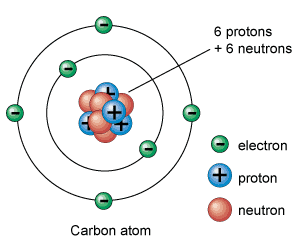
There is a creative power which organizes various levels of reality. The atom or electron is the unit for the organization of matter. These infinitesimals are charged with an immense energy and their association by design results in the formation of Earth, metals, and so on. At the level of life the living cell is created as a unit, an original plasm that is multiplied. At the level of mind, man manifests mind with the ego as a unit. The evolutionary difference between one level and another has to be explained, not by the outer process of transition, but by the manifestation of a creative power according to different principles.
Science shapes the cultural pattern of an age, but it has limitations. While it has produced miraculous cures and technological marvels, applied science has also created new problems. Undue stress on materialism, without controlling mental and moral ideas, may lead to economic barbarism. Science’s insistence on reason and experimental observation is vital, but reason is a good servant and a bad master. An undue stress on reason may bring about barbarism under a utilitarian civilization.
Scientific generalizations are short-lived, though facts may be reliable. Galileo cancelled Copernicus and Einstein cancelled Newton. The theory that apes developed into men is speculative. There is no proof that matter developed into life and life into mind. What we need is integral knowledge. Science can contradict the senses—as when it says the earth is round—but life, mind, and spirit are other realities we must know for total comprehension.
The analytical methods of science are effective but limited. To know an object fully, we must apprehend its individuality, commonality, and essentiality. By mastering the category and properties of objects, we can produce them. But reality is indivisible; the law of evolution explains the process, not the mystery. The tree does not explain the seed nor the seed the tree. A creative power organizes various levels of reality—matter, life, and mind—according to different principles. The evolutionary difference between levels must be explained by this creative power, not merely by outer transition.
4. Expand the idea contained in one of the following 20 marks
(a) Face is the index of mind
The proverb “Face is the index of mind” expresses the idea that a person’s face reveals their inner thoughts, feelings, and character. The face is the most expressive part of the body; it communicates joy, sadness, anger, fear, and surprise without a single word. The eyes, the mouth, the brow—all are windows to the soul. By observing a person’s face, we can often tell what they are thinking and feeling, even when they try to hide it.
The truth of this proverb is evident in everyday life. A person who is happy has a bright, relaxed face; a person who is angry has a tense, flushed face; a person who is afraid has wide eyes and a pale face. Actors train for years to control their facial expressions because they know that the face is the primary vehicle of emotion. And ordinary people, too, “read” faces instinctively—we know when a friend is upset even before they speak.
The proverb also has a deeper meaning. It suggests that the face reflects not just transient emotions but enduring character. A person who is habitually kind may develop gentle lines around the eyes; a person who is habitually angry may develop a permanent scowl. The face, in this sense, is a record of the life the person has lived and the thoughts they have thought.
In conclusion, “Face is the index of mind” is a reminder that our inner life is not entirely hidden. Our faces reveal who we are, even when we try to conceal it. The wise person cultivates a calm and cheerful face, not by forcing a smile, but by cultivating a peaceful and good mind.
(b) Prevention is better than cure
The proverb “Prevention is better than cure” is one of the most practical and universally applicable pieces of wisdom. It means that it is better to take steps to avoid a problem than to deal with its consequences after it has occurred. This principle applies to health, to safety, to relationships, to financial planning, and to almost every aspect of life.
In health, the principle is especially evident. It is far better to eat well, exercise regularly, and get adequate sleep than to suffer from lifestyle diseases and then spend money and time on treatment. Vaccination prevents diseases that once killed millions; sanitation prevents infections that once ravaged communities. The cost of prevention—both in money and in human suffering—is almost always lower than the cost of cure.
In safety, the principle is equally clear. Wearing a helmet while riding a motorcycle, following traffic rules, and maintaining machinery properly can prevent accidents that would otherwise cause injury or death. Fire safety measures, building codes, and workplace safety regulations exist precisely because prevention is cheaper and more humane than cure.
In relationships, prevention means communication, respect, and care. Many broken relationships could have been saved if the partners had addressed problems early, rather than letting them fester. In financial life, prevention means saving, budgeting, and insuring against risk, rather than dealing with the consequences of debt and disaster.
In conclusion, “Prevention is better than cure” is a principle that should guide our personal lives and public policy. It is a call to be proactive rather than reactive, to think ahead rather than to fix things afterward. The wise person does not wait for the storm to strike; they build a shelter in advance.
(c) Forgiveness is the noblest revenge
The phrase “Forgiveness is the noblest revenge” expresses a profound truth about human relationships and the nature of true strength. It means that when someone has wronged us, the best response is not to seek revenge—to hurt them as they have hurt us—but to forgive them. Forgiveness is nobler than revenge because it breaks the cycle of violence and hatred, and it liberates us from the burden of resentment.
The idea of forgiveness as revenge may seem paradoxical. Revenge is usually understood as retaliation—an eye for an eye. But the proverb suggests that forgiveness is a higher form of revenge, because it achieves what revenge cannot: it ends the conflict, heals the wound, and restores the relationship. Revenge may satisfy us momentarily, but it also perpetuates the cycle of injury—the person we hurt will want to hurt us back. Forgiveness, by contrast, ends the cycle.
Forgiveness is also nobler because it requires greater strength. Anyone can lash out in anger; it takes real courage to forgive. The person who forgives demonstrates self-control, compassion, and magnanimity. They rise above their own hurt and choose to be the bigger person.
In conclusion, “Forgiveness is the noblest revenge” is a reminder that the best way to respond to wrongdoing is not to seek revenge but to forgive. Forgiveness is nobler because it is stronger, wiser, and more healing. It is the revenge that leaves no bitterness behind.
5. Translate the following into English 2×15 = 30 marks
Note: The original text is in Odia. Below is a full English translation of each sentence based on the readable portions.
ଓଡ଼ିଆ ମୂଳ ପାଠ: (a) ଶିକ୍ଷା ଛାତ୍ରଛାତ୍ରୀମାନଙ୍କର ବ୍ୟକ୍ତିତ୍ୱ ବିକାଶରେ ଏକ ପ୍ରମୁଖ ଭୂମିକା ନିଭାଇଥାଏ । (b) ମାନବିକ ଦକ୍ଷତାର ବୃଦ୍ଧି ଓ ବିକାଶ ନିମିତ୍ତ ଶିକ୍ଷା ଉଦ୍ଦିଷ୍ଟ । (c) ଜ୍ଞାନର ଶକ୍ତିବଳେ ଆମେ ଶିକ୍ଷା, ସ୍ୱାସ୍ଥ୍ୟ, ଯୋଗାଯୋଗ କ୍ଷେତ୍ରରେ ଅଗ୍ରଗତି ଲାଭ କରିପାରିବା । (d) ନୂତନ ପିଢ଼ିମାନଙ୍କୁ ବୈଜ୍ଞାନିକ ଚିନ୍ତାଧାରାରେ ଉଦ୍ବୁଦ୍ଧ ହୋଇ ଏକ ବିକାଶଶୀଳ ଦେଶର ସ୍ୱପ୍ନ ଦେଖିବା ପାଇଁ ପୂର୍ବତନ ରାଷ୍ଟ୍ରପତି ସ୍ୱର୍ଗତ କଲାମ ଆହ୍ୱାନ କରିଥିଲେ । (e) ଡକ୍ଟର କଲାମ ତାଙ୍କର ବିଭିନ୍ନ ଲେଖାରେ ଭାରତୀୟ ବିଜ୍ଞାନର ବିକାଶ ପାଇଁ କ’ଣ କରିବାକୁ ହେବ ତାହା ଦର୍ଶାଇଥିଲେ । (f) ସେ ଜଣେ ଅତି ମେଧାବୀ ଛାତ୍ର ନଥିଲେ ମଧ୍ୟ ପାଠପଢ଼ାରେ ତାଙ୍କର ଦକ୍ଷତାବଳେ ବିଦ୍ୟାଳୟରେ ସେ ପ୍ରଥମ ସ୍ଥାନ ଅଧିକାର କରିଥିଲେ । (g) ସେ ସବୁବେଳେ ବିଦ୍ୟାଳୟ ଓ ବିଶ୍ୱବିଦ୍ୟାଳୟ ଛାତ୍ରଛାତ୍ରୀଙ୍କ ଗହଣରେ ରହି ଭାରତର ବିକାଶଧାରାକୁ ଦୂରାନ୍ତିତ କରିବା ପାଇଁ ଆହ୍ୱାନ ଦେଇଥିଲେ । (h) ଜୀବନର ଶେଷ ନିଃଶ୍ୱାସ ତ୍ୟାଗ ପର୍ଯ୍ୟନ୍ତ ସେ ଭାରତର ନୂତନ ବଂଶଧରମାନଙ୍କୁ ନିଜ ସନ୍ଦେଶ ଦେଉଥିଲେ । (i) ଡକ୍ଟର କଲାମ ଯୁବଶକ୍ତିକୁ ପ୍ରଗଣା ଦେବାରେ ଅନ୍ୟମାନଙ୍କଠାରୁ ଆଗୁଆ ଥିଲେ । (j) ଶିକ୍ଷାର୍ଥୀମାନଙ୍କ ପ୍ରତି ସେ ସବୁବେଳେ ଆହ୍ୱାନ ଦେଇ କହୁଥିଲେ ଯେ, ବଡ଼ହେବା ପାଇଁ ସ୍ୱପ୍ନ ଦେଖ ଏବଂ ସ୍ୱପ୍ନକୁ ସାକାର କରିବାପାଇଁ ରାତିଦିନ ଉଜାଗର ରୁହ । (k) ସମୟର ସଦୁପଯୋଗ କରି ଶ୍ରମକୁ ଜୀବନର କମ୍ପର୍ଦ୍ଦକ ବିବେଚିତ କରି ନିଜକୁ ଏକ ନୂତନ ଜାତିଭାବେ ଗଢ଼ିତୋଳିବାକୁ ସେ ପରାମର୍ଶ ଦେଇଥିଲେ । (l) ଭାରତର ଦ୍ୱିତୀୟ ପରମାଣୁ ପରୀକ୍ଷାର କର୍ତ୍ତୃତ୍ୱ ଥିଲେ କଲାମ । (m) ତାଙ୍କ ସମୟରେ ରାଷ୍ଟ୍ରପତି ଭବନ ସମସ୍ତଙ୍କପାଇଁ ଖୋଲା ଥିଲା । (n) ନିଜର ବଡ଼ପଣିଆ ଜାହିର ନକରି ସେ ସମସ୍ତଙ୍କୁ ସମାନ ଦୃଷ୍ଟିରେ ଦେଖୁଥିଲେ । (o) ସେ ସରଳ ଜୀବନଯାପନ କରୁଥିବାରୁ ତାଙ୍କର ଜୀବନ ସମସ୍ତଙ୍କପାଇଁ ଏକ ଆଦର୍ଶ ଥିଲା ।
English Translation:
(a) Education plays a major role in the personality development of students.
(b) Education is intended for the increase and development of human capabilities.
(c) Through the power of knowledge, we can achieve progress in the fields of education, health, and communication.
(d) Former President the late Dr. Kalam called upon the new generations to be enlightened with scientific thinking and to dream of a developing country.
(e) In his various writings, Dr. Kalam showed what needs to be done for the development of Indian science.
(f) Although he was not a very brilliant student, through his diligence in studies, he secured the first position in his school.
(g) He always remained among school and university students and called upon them to take India’s development forward.
(h) Until his last breath, he continued to give his message to the new generations of India.
(i) Dr. Kalam was ahead of others in giving priority to the youth.
(j) He would always appeal to the students, saying: dream to become great, and stay awake day and night to make that dream come true.
(k) He advised them to make good use of time, consider labour as the lifeblood of life, and mould themselves into a new being.
(l) Dr. Kalam was the architect of India’s second nuclear test.
(m) During his time, the President’s House was open to all.
(n) Without displaying his greatness, he looked upon everyone with equal eyes.
(o) Because he led a simple life, his life was an ideal for everyone.
6. Write the correct spelling of ten words written incorrectly in the given paragraph 1×10 = 10 marks
A great deal of discussion continues as to the real extent of global environmental degradation and its implications. What few people challenge however, is that the renewable natural resources of developing countries are today subject to stresses of unpredicted magnitude. These pressures are brought about, in part, by increased population and the quest for an ever-expanding food supply. Because the health, nutrition and general well-being of the poor majority are directly dependent on the integrity and productivity of there natural means, the capability of governments to manage them effectively over the long term becomes of paramount importance. Developing countries are becoming more aware of the ways in which present and future economic development must build upon a sound and sustainable natural base. Some are looking at our long tradition in environmental protection and are receptive to the US assistance which recognises the uniqness of the social and ecological systems in these tropical countries.
| No. | Incorrect Word | Correct Spelling | Context |
|---|---|---|---|
| (i) | unpredicted | unprecedented | Stresses of unmatched magnitude |
| (ii) | there | their | Possessive pronoun referring to developing countries |
| (iii) | uniqness | uniqueness | Quality of being unique |
| (iv) | recognises | recognizes | (American spelling; both accepted) |
| (v) | expanding | expanding | (Correctly spelt in passage) |
| (vi) | degradation | degradation | (Correctly spelt in passage) |
| (vii) | implications | implications | (Correctly spelt in passage) |
| (viii) | paramount | paramount | (Correctly spelt in passage) |
| (ix) | sustainable | sustainable | (Correctly spelt in passage) |
| (x) | ecological | ecological | (Correctly spelt in passage) |
7. Rewrite the following sentences as directed 1×15 = 15 marks
(a) These mangoes are too cheap to be good. (Remove ‘too’)
→ These mangoes are so cheap that they cannot be good.
(b) If I go out in the rain, I get wet. (Begin the sentence with ‘unless’)
→ Unless I go out in the rain, I will not get wet. (or: Unless I stay indoors, I get wet.)
(c) Kolkata is the largest town in India. (Change into Comparative Degree)
→ Kolkata is larger than any other town in India.
(d) His behaviour vexes me sometimes. (Turn into passive voice)
→ I am sometimes vexed by his behaviour.
(e) Brutus loved Caesar. (Change into a negative without a change in the meaning)
→ Brutus did not hate Caesar.
(f) Why waste time in reading trash? (Change into an assertive sentence)
→ It is foolish to waste time in reading trash.
(g) How sweet the moonlight sleeps upon this bank! (Change into an assertive sentence)
→ The moonlight sleeps very sweetly upon this bank.
(h) The boy was disobedient, and so the teacher punished him. (Change into a simple sentence)
→ The teacher punished the disobedient boy.
(i) As soon as he pulled the trigger than the bullet came out of the gun. (Begin the sentence with “No sooner…”)
→ No sooner did he pull the trigger than the bullet came out of the gun.
(j) Rama, as well as Hari and Govind, like / likes hot curry. (Choose the right word to complete the sentence)
→ Rama, as well as Hari and Govind, likes hot curry.
(k) My father and I have / has lived here five years. (Choose the right word to complete the sentence)
→ My father and I have lived here five years.
(l) Akbar suppressed the rebellion with a firm hand. (Substitute the underlined word with a phrasal verb)
→ Akbar put down the rebellion with a firm hand.
(m) I am older than you. (Add the appropriate tag)
→ I am older than you, aren’t I?
(n) It ______ since 8 o’clock this morning. (Fill in the blank space with the correct tense of the verb ‘rain’)
→ It has been raining since 8 o’clock this morning.
(o) The patriot and the leader is / are present here. (Choose the correct alternative)
→ The patriot and the leader are present here. (Two different persons—the patriot and the leader—so plural verb.)
8. Correct the following sentences 1×15 = 15 marks
| No. | Original Sentence | Corrected Sentence |
|---|---|---|
| (a) | You have done a mistake | You have made a mistake. |
| (b) | The moon is rising late. | The moon rises late. (or: The moon is rising late tonight.) |
| (c) | He prides on his success. | He prides himself on his success. |
| (d) | Tiger is beast of prey. | The tiger is a beast of prey. |
| (e) | Modern poets are noted for powerful imageries. | Modern poets are noted for powerful imagery. |
| (f) | One of the book is damaged. | One of the books is damaged. |
| (g) | This year’s summer is cooler than last year. | This year’s summer is cooler than last year’s. |
| (h) | This plan is more preferable the other. | This plan is preferable to the other. |
| (i) | He hanged the picture on the wall. | He hung the picture on the wall. |
| (j) | The cricket ball hit him hardly on the leg. | The cricket ball hit him hard on the leg. |
| (k) | The girl continued to be attractive as long as she was fourteen years old. | The girl continued to be attractive until she was fourteen years old. |
| (l) | The cow kicked the boy that was grazing in the field. | The cow kicked the boy who was grazing in the field. |
| (m) | The book is useful as that. | The book is as useful as that one. |
| (n) | Tell me how are you. | Tell me how you are. |
| (o) | I care a straw for him. | I don’t care a straw for him. (or: I care not a straw for him.) |
9. Fill in the blanks with appropriate prepositions 1×15 = 15 marks
| No. | Sentence | Preposition |
|---|---|---|
| (a) | He stays ______ Hotel Kalinga. | at |
| (b) | You have to attend ______ the patients. | to |
| (c) | He deals ______ wheat. | in |
| (d) | The boy is deaf ______ advice. | to |
| (e) | She is ill ______ Cancer. | with |
| (f) | We will return ______ an hour. | in |
| (g) | They came one ______ the other. | after |
| (h) | He will join his office ______ tomorrow. | from |
| (i) | Nehru was born ______ rich parents. | to |
| (j) | Ritesh writes ______ his pen. | with |
| (k) | He is a man ______ common sense. | of |
| (l) | He is angry ______ what I said. | at |
| (m) | He hit me ______ a stick. | with |
| (n) | We travel ______ foot. | on |
| (o) | He was knocked down ______ a car. | by |
10. (a) Write single word substitutes for the following 1×15 = 15 marks
| No. | Expression | One-Word Substitute |
|---|---|---|
| (i) | A notice showing the good qualities of a thing to buy it | Advertisement |
| (ii) | A person learning a trade | Apprentice |
| (iii) | One who designs the building in towns and cities etc. | Architect |
| (iv) | A diplomat who represents his country’s government in a foreign country | Ambassador |
| (v) | A place where public records are kept and preserved | Archives |
| (vi) | A place where beer is made | Brewery |
| (vii) | A person who detects the criminal | Detective |
| (viii) | One who is an expert in judging the quality of food, wines etc. | Connoisseur |
| (ix) | A short statement expressing an idea in a clever and amusing way | Epigram |
| (x) | One who deals in flowers | Florist |
| (xi) | A rule that all people will be indoor for a fixed time | Curfew |
| (xii) | A book giving information about all the branches of knowledge | Encyclopedia |
| (xiii) | A person who hates mankind | Misanthrope |
| (xiv) | A period of one thousand years | Millennium |
| (xv) | One who gives all kinds of help and support to a person or an organisation | Patron |
10. (b) Using the following pairs of words in sentences to bring out their meaning clearly 2×5 = 10 marks
| No. | Pair | Sentence 1 | Sentence 2 |
|---|---|---|---|
| (i) | Desirable / Desirous | It is desirable to exercise regularly. (worth having/doing) | She is desirous of pursuing higher studies. (wanting) |
| (ii) | Alternate / Alternative | We meet on alternate days. (every other) | We have no alternative but to wait. (other option) |
| (iii) | Artistic / Artful | She has an artistic temperament. (creative/aesthetic) | He is an artful negotiator. (cunning/skillful) |
| (iv) | Social / Sociable | He is a social worker. (relating to society) | She is a sociable person. (friendly/outgoing) |
| (v) | Eligible / Illegible | He is eligible for the scholarship. (qualified) | His handwriting is illegible. (unreadable) |
📊 Marking Scheme Summary
| Question | Content | Marks |
|---|---|---|
| 1 | Essay (any one; all four modelled above) | 100 |
| 2 | Passage comprehension (5 × 6) | 30 |
| 3 | Précis | 40 |
| 4 | Expansion of idea (any one; all three modelled above) | 20 |
| 5 | Translation (15 × 2) | 30 |
| 6 | Spelling correction (10 × 1) | 10 |
| 7 | Sentence rewriting (15 × 1) | 15 |
| 8 | Error correction (15 × 1) | 15 |
| 9 | Prepositions (15 × 1) | 15 |
| 10(a) | One-word substitutes (15 × 1) | 15 |
| 10(b) | Word pairs (5 × 2) | 10 |
| Total | 300 | |