“Health is wealth” is a mantra with real value. If you’re feeling stiff or noticing new aches, it may be a sign of joint pain — and a reminder to prioritize healthier daily habits. This includes low-impact exercise, a balanced diet, and supportive vitamins and supplements.
According to Dr. Navya Mysore, supplements alone aren’t a cure for joint pain, but adding them — with your doctor’s approval — can support your overall joint health.
Below are some widely used vitamins and supplements for joint wellness. Always check with your doctor first, especially if you have health conditions, allergies, or take prescription medications.
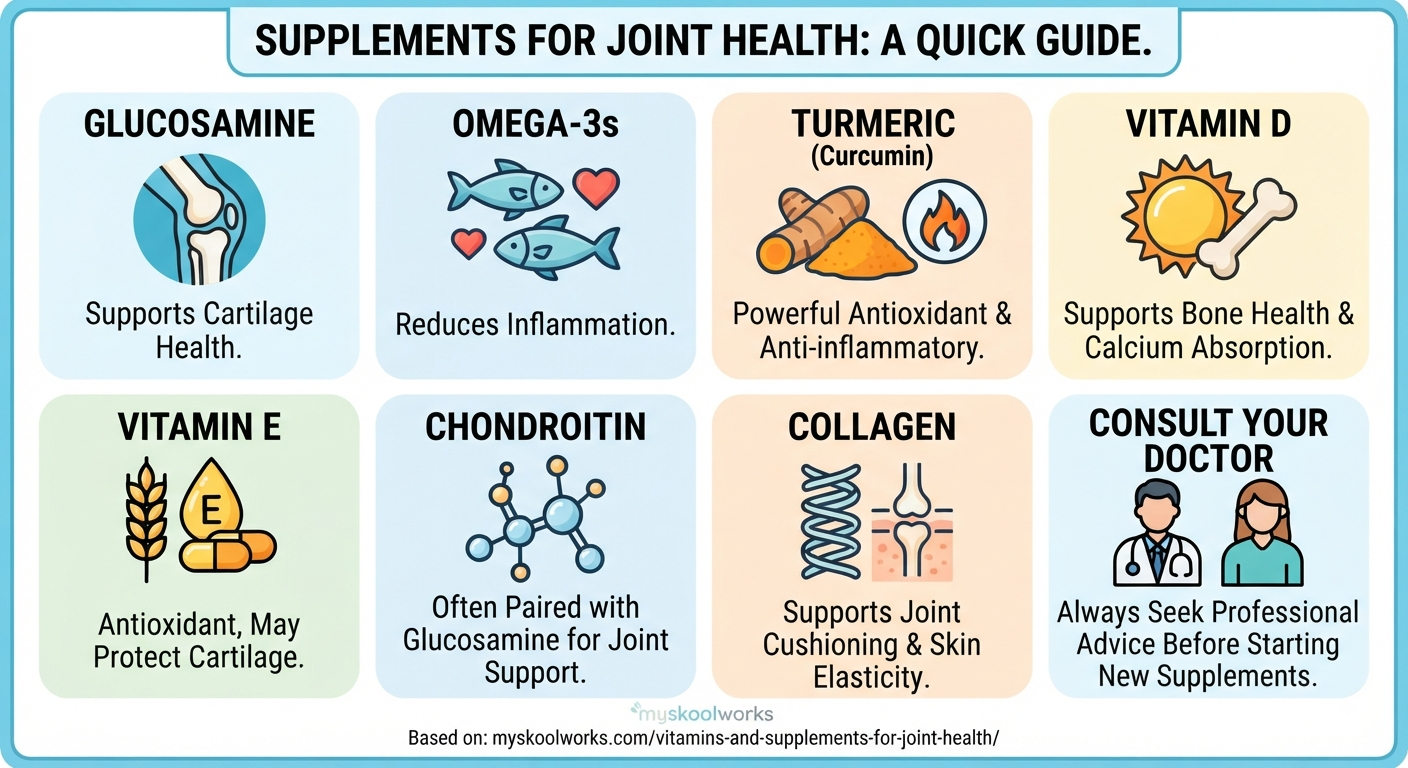
Best Joint Supplements
Glucosamine
Glucosamine is naturally found in cartilage and helps your joints function smoothly. Supplements may reduce pain linked to osteoarthritis or rheumatoid arthritis.
Use caution if you have shellfish or iodine allergies, asthma, or if you take blood thinners. Possible side effects include nausea and heartburn.
Omega-3s
Omega-3 fatty acids reduce inflammation and joint stiffness. Research suggests they may help decrease arthritis symptoms and disease activity.
If you take blood thinners, consult your doctor first, as omega-3s may interact with these medications.
Turmeric
Turmeric’s active compound, curcumin, has strong antioxidant and anti-inflammatory effects. Supplements should contain curcumin for best absorption.
For a food-based approach, pair turmeric with black pepper to boost absorption. Turmeric may interact with blood thinners and immunosuppressive medications.
Vitamin D
Vitamin D supports bone health and may help reduce arthritis pain and inflammation, though research is mixed. It also helps your body retain calcium.
High vitamin D levels can interact with certain medications, especially Lanoxin, and may increase the risk of hypercalcemia.
Vitamin E
Vitamin E is an antioxidant that may slow osteoarthritis progression and support cartilage cell growth. More research is needed, but it also benefits immune, vision, and brain health.
It may interact with blood thinners and increase bleeding risk.
Chondroitin
Chondroitin, often paired with glucosamine, is found in cartilage and may support joint health. Research results are mixed, but it is generally safe.
It may interact with blood thinners such as Warfarin.
Collagen
Collagen helps keep your skin firm and joints cushioned, but your body produces less of it with age. While research is limited, collagen supplements are considered safe and may help when paired with low-impact exercise.
Risks of Supplements for Joint Health
Most supplements are safe, but interactions with prescription medications are common. Always research supplements and consult your doctor before starting any new routine.
If you are pregnant or breastfeeding, review all supplements with your doctor first.